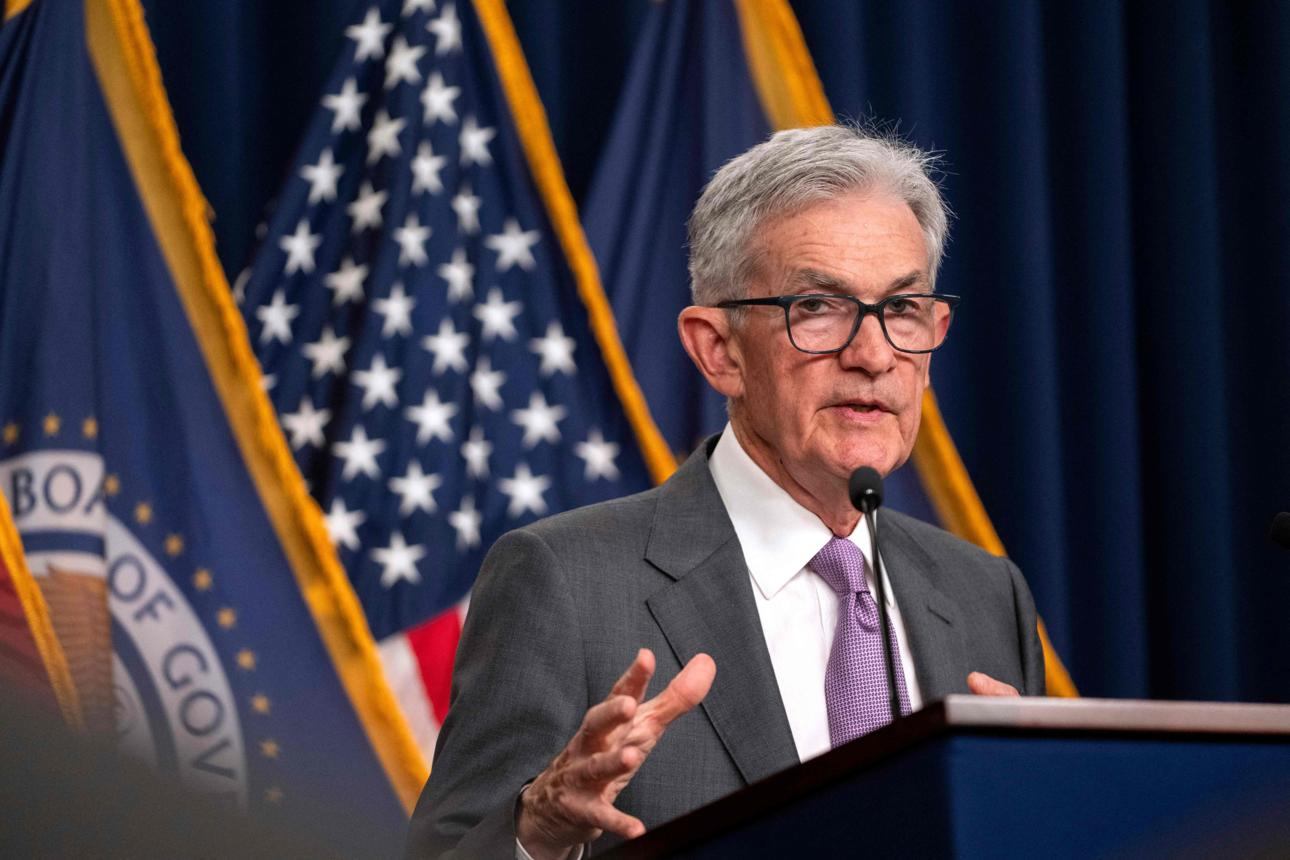
Long-term investors are increasingly focused on inflation resilience, interest rate trends, portfolio diversification, artificial intelligence, retirement readiness, and global economic shifts. Rather than reacting to daily market volatility, many are emphasizing consistent investing, tax efficiency, and quality assets with durable earnings potential. Understanding how economic cycles influence investments may help Americans make more informed financial decisions during periods of uncertainty.
Why Long-Term Investing Looks Different Today
Over the last several years, the investing landscape in the United States has changed dramatically. Higher interest rates, persistent inflation concerns, geopolitical uncertainty, rapid advances in artificial intelligence, and shifting consumer behavior have all influenced how investors think about long-term wealth building.
For many Americans, the question is no longer simply “Which stocks should I buy?” Instead, investors are increasingly asking broader strategic questions:
- How should a portfolio adapt during economic uncertainty?
- Are traditional diversification strategies still effective?
- What role should cash, bonds, and alternative assets play now?
- Which sectors may benefit most from long-term structural trends?
- How can investors reduce emotional decision-making during volatility?
These questions reflect a growing awareness that successful long-term investing often depends more on discipline, asset allocation, and adaptability than short-term market predictions.
According to historical market data from firms such as Vanguard, Fidelity, and Morningstar, investors who remain invested through multiple market cycles have generally outperformed those attempting to time market movements. While past performance never guarantees future results, history consistently shows that patient investing often rewards consistency over reactionary behavior.
Inflation and Interest Rates Remain a Major Focus
One of the most significant themes shaping investor behavior is the ongoing relationship between inflation and interest rates.
During the low-interest-rate era that followed the 2008 financial crisis, growth-focused investments dominated portfolios. Technology companies, speculative assets, and high-valuation stocks often benefited from inexpensive borrowing costs and strong investor optimism.
Today, the environment is different.
The Federal Reserve’s rate increases over recent years changed how investors evaluate risk, corporate profitability, and future earnings potential. Higher borrowing costs affect everything from mortgages and credit cards to business expansion and consumer spending.
Long-term investors are increasingly paying attention to:
- Companies with strong balance sheets
- Businesses generating reliable free cash flow
- Dividend-paying stocks
- Treasury yields and bond ladder strategies
- Inflation-resistant sectors
Sectors such as healthcare, utilities, industrials, and energy have regained attention among investors seeking stability during uncertain periods.
For example, many retirement-focused investors who previously held minimal bond exposure are reconsidering fixed-income investments because Treasury yields now provide returns that were largely unavailable during the ultra-low-rate years.
Diversification Is Being Reexamined
Diversification remains one of the most discussed principles in personal finance, but investors are becoming more sophisticated in how they approach it.
Traditional diversification once centered around a simple mix of:
- US stocks
- International stocks
- Bonds
Today, portfolios may include additional layers such as:
- Real estate investment trusts (REITs)
- Short-duration bonds
- Treasury Inflation-Protected Securities (TIPS)
- Commodities
- Infrastructure funds
- Dividend-focused ETFs
Investors are also increasingly aware that diversification does not eliminate losses during broad market downturns. Instead, it aims to reduce concentration risk and smooth long-term volatility.
A common example involves technology-heavy portfolios. During years when large-cap tech companies strongly outperform, many investors unknowingly become overexposed to a small group of companies. As markets shift, portfolio rebalancing becomes more important.
Financial advisors often note that investors tend to discover concentration risk only after volatility appears. This has led many long-term investors to review portfolio allocations more frequently rather than assuming diversification remains intact indefinitely.
Artificial Intelligence Is Reshaping Investment Discussions
Artificial intelligence has become one of the most influential themes in modern investing.
While AI-related enthusiasm has driven significant market growth in certain sectors, experienced investors are increasingly separating long-term opportunities from short-term hype.
Rather than chasing speculative headlines, many are asking practical questions:
- Which companies may realistically benefit from AI adoption?
- Which industries could experience productivity improvements?
- How might automation affect labor markets and corporate margins?
- Are current valuations sustainable?
Large technology firms involved in semiconductors, cloud computing, cybersecurity, and enterprise software have attracted considerable investor attention because AI infrastructure requires substantial computing power and data management capabilities.
However, long-term investors are also watching how AI may influence less obvious industries, including:
- Healthcare diagnostics
- Logistics optimization
- Financial fraud detection
- Manufacturing automation
- Customer service operations
Some investors compare the current AI transition to earlier transformational periods such as the rise of the internet or mobile computing. While long-term potential may be substantial, experienced investors often recognize that major technological shifts can also produce periods of overvaluation and correction.

Retirement Planning Is Becoming More Complex
Americans approaching retirement face a much different environment than previous generations.
Longer life expectancy, rising healthcare costs, pension declines, and inflation concerns have increased the importance of strategic retirement planning.
As a result, long-term investors are focusing more heavily on:
- Tax-efficient withdrawal strategies
- Roth IRA conversions
- Social Security timing
- Healthcare cost projections
- Required minimum distributions (RMDs)
- Income-generating assets
Many investors are also paying closer attention to sequence-of-returns risk — the possibility that poor market performance early in retirement can significantly affect long-term portfolio sustainability.
For example, two retirees with identical average returns may experience very different outcomes depending on the order in which market gains and losses occur.
This has increased interest in:
- Bond ladders
- Cash reserves
- Dividend strategies
- Bucket withdrawal systems
Financial planners increasingly emphasize that retirement investing is not only about maximizing returns but also about managing withdrawal flexibility and reducing emotional stress during market declines.
Investors Are Paying More Attention to Global Risks
Global interconnectedness means that events outside the United States increasingly influence domestic markets.
Long-term investors are monitoring developments such as:
- Supply chain restructuring
- US-China trade tensions
- Energy market disruptions
- Currency fluctuations
- Regional conflicts
- Central bank policy coordination
For example, disruptions in semiconductor supply chains over recent years demonstrated how global manufacturing dependencies can affect multiple sectors simultaneously, from automobiles to consumer electronics.
At the same time, investors are also recognizing that global exposure can create opportunities.
International markets occasionally outperform US equities for extended periods, particularly when currency trends, valuations, or regional growth conditions shift.
As a result, many investors are reconsidering whether their portfolios contain enough international diversification rather than remaining concentrated solely in domestic equities.
Cash Management Has Regained Importance
For years, holding significant cash positions often generated minimal returns. That dynamic changed as money market funds and high-yield savings accounts began offering more competitive yields.
This has influenced investor behavior in several ways.
Some investors are:
- Building larger emergency funds
- Keeping more short-term liquidity
- Using Treasury bills for conservative income
- Delaying higher-risk investments while evaluating valuations
Importantly, long-term investors generally recognize that excessive cash holdings can reduce purchasing power over time due to inflation. However, recent yield increases have made cash management a more meaningful component of broader financial planning.
This shift has also reduced pressure on investors to pursue unnecessary risk purely in search of yield.
Emotional Discipline Continues to Matter More Than Predictions
Perhaps the most consistent lesson across decades of investing history is that emotional discipline often matters more than market forecasting.
Periods of volatility tend to trigger emotional decision-making:
- Panic selling during downturns
- Chasing rallies near market peaks
- Overreacting to news headlines
- Constant portfolio adjustments
Behavioral finance research from institutions including DALBAR has repeatedly shown that average investors often underperform broader market indexes because of poorly timed buying and selling decisions.

Long-term investors increasingly recognize the importance of:
- Automated investing
- Dollar-cost averaging
- Rebalancing schedules
- Defined investment policies
- Long-term time horizons
For example, an investor contributing regularly to retirement accounts during both strong and weak markets may benefit from lower average purchase prices over time.
This approach does not eliminate risk, but it can reduce the temptation to react emotionally during temporary market disruptions.
Tax Efficiency Is Receiving Greater Attention
As investment portfolios grow, tax management becomes increasingly important.
Many investors now pay closer attention to:
- Capital gains exposure
- Asset location strategies
- Tax-loss harvesting
- Municipal bonds
- Retirement account optimization
For high-income households especially, after-tax returns can significantly influence long-term wealth accumulation.
Consider two investors earning identical gross returns. The investor using more tax-efficient strategies may ultimately retain substantially more wealth over multiple decades.
This has contributed to growing interest in low-turnover index funds and ETFs, which often generate fewer taxable events compared to actively traded strategies.
Younger Investors Are Approaching Markets Differently
Millennials and Gen Z investors are shaping investing culture in ways that differ from previous generations.
Digital platforms, fractional shares, social media financial education, and mobile trading access have made investing more accessible than ever.
At the same time, younger investors face unique financial challenges:
- Higher housing costs
- Student loan debt
- Wage pressures
- Economic uncertainty
Many younger Americans are therefore emphasizing flexibility, passive investing, and long-term consistency rather than attempting to outperform markets through constant trading.
Index investing continues to gain popularity partly because younger investors increasingly value simplicity and lower fees.
Environmental, social, and governance (ESG) considerations also remain relevant for certain investors, although interest levels vary depending on economic conditions and market performance.

Questions Investors Continue Asking in 2026
Is it still worth investing during uncertain markets?
Historically, markets have experienced repeated periods of uncertainty including recessions, inflation spikes, wars, and financial crises. Long-term investing strategies are generally designed to account for market cycles rather than avoid them entirely.
Are bonds becoming attractive again?
Higher interest rates have increased bond yields, making fixed-income investments more appealing to some investors seeking income and lower volatility.
Should investors hold more cash right now?
Cash can provide flexibility and stability, but holding excessive cash long term may reduce purchasing power because of inflation.
Is artificial intelligence creating an investment bubble?
Some analysts believe certain AI-related companies may be overvalued, while others see long-term transformational potential. Investors are increasingly focusing on business fundamentals rather than headlines alone.
How often should portfolios be rebalanced?
Many financial professionals recommend periodic reviews annually or semiannually, though individual circumstances vary.
The Broader Shift Happening Beneath the Headlines
One of the most notable changes in today’s market environment is that investors are becoming less focused on quick wins and more focused on durability.
Rather than chasing short-term trends alone, many long-term investors are evaluating whether their financial plans can withstand:
- Economic slowdowns
- Inflationary cycles
- Career disruptions
- Healthcare expenses
- Longevity risk
- Market volatility
This broader perspective reflects a growing understanding that investing is closely tied to personal financial resilience.
The investors drawing the most attention today are often not the ones making dramatic predictions. Instead, they are the individuals building adaptable systems designed to function across changing economic conditions.
Signals Many Experienced Investors Continue Watching
As markets continue evolving, long-term investors are increasingly monitoring signals that extend beyond daily stock movements.
Key areas include:
- Federal Reserve policy direction
- Corporate earnings quality
- Consumer spending trends
- Labor market strength
- Credit conditions
- Inflation persistence
- Technological productivity gains
- Demographic shifts
These indicators may not predict short-term market behavior perfectly, but they often help investors maintain perspective during periods of uncertainty.
Ultimately, long-term investing remains less about certainty and more about preparation. Markets will continue shifting, economic cycles will continue evolving, and new technologies will continue emerging. Investors who remain adaptable, diversified, and disciplined may be better positioned to navigate whatever comes next.
Perspective Points Worth Remembering
- Long-term investing typically rewards consistency over prediction
- Diversification strategies continue evolving alongside markets
- Interest rates and inflation remain major portfolio considerations
- AI is influencing both opportunities and valuation concerns
- Emotional discipline remains one of the most valuable investor traits
- Tax efficiency can meaningfully affect long-term wealth outcomes
- Retirement planning increasingly requires flexibility and adaptability
Frequently Asked Questions
1. What are long-term investors most concerned about right now?
Inflation, interest rates, economic slowdowns, retirement readiness, and market concentration are among the most common concerns.
2. Why are investors paying more attention to diversification?
Recent market volatility highlighted the risks of excessive concentration in a small number of sectors or companies.
3. Is passive investing still popular?
Yes. Many investors continue favoring low-cost index funds and ETFs for long-term wealth building.
4. How does inflation affect investments?
Inflation can reduce purchasing power and influence corporate profitability, interest rates, and consumer spending.
5. Are younger investors approaching markets differently?
Many younger investors prioritize accessibility, automation, flexibility, and lower investment fees.
6. Why are bonds becoming relevant again?
Higher interest rates have improved yields, making bonds more attractive for income-focused investors.
7. Should investors change portfolios frequently during volatility?
Frequent emotional trading often harms long-term returns more than temporary market declines themselves.
8. What role does artificial intelligence play in investing today?
AI is influencing corporate productivity, technology infrastructure demand, and investor expectations across multiple sectors.
9. Why is tax efficiency important for long-term investing?
Taxes can significantly reduce net returns over decades if portfolios are not managed strategically.
10. What is one common trait among successful long-term investors?
Consistency and emotional discipline are often more important than predicting short-term market movements.