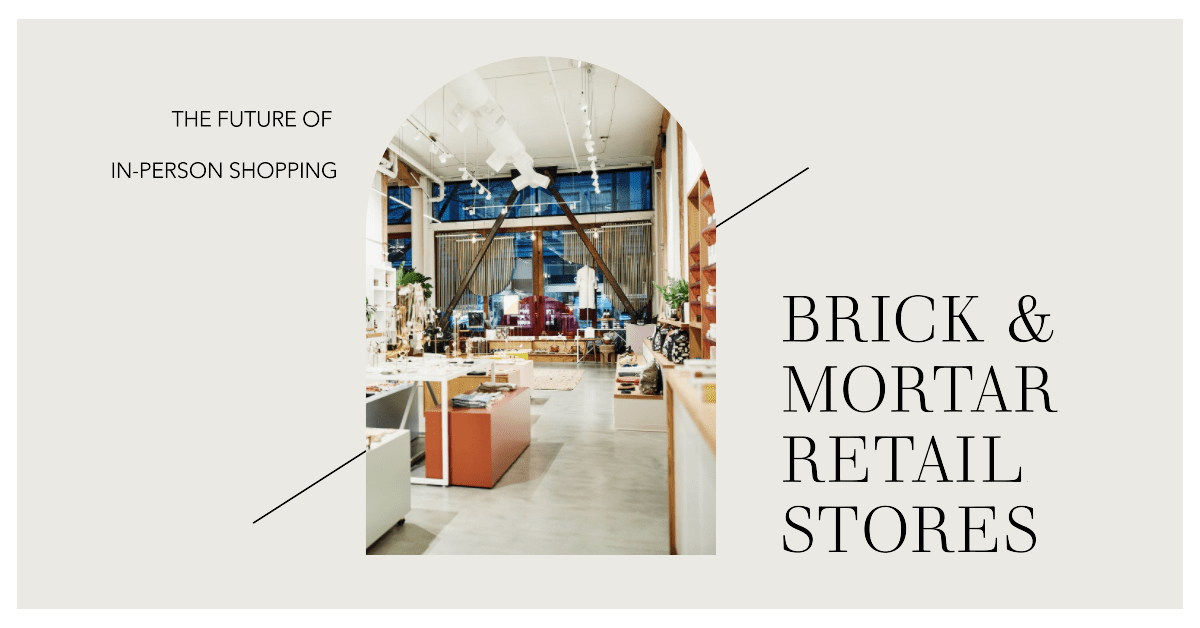
If you were to believe the headlines of the past decade, you might think the American retail industry was in its final death throes. The term “retail apocalypse” was coined, evoking images of shuttered malls, bankrupted legacy brands, and a desolate landscape where e-commerce giants reigned supreme. This narrative, however, tells only a fraction of the story. The truth is far more nuanced, dynamic, and ultimately, more promising.
The US retail market is not dying; it is undergoing a profound and irreversible metamorphosis. The catalyst is not merely the rise of online shopping, but the seismic shift toward a truly omnichannel ecosystem. In this new paradigm, the lines between digital and physical commerce are not just blurred—they are dissolving entirely. The future belongs not to pure-play e-commerce or traditional brick-and-mortar, but to retailers who successfully integrate both into a seamless, customer-centric experience.
This 4000-word analysis will delve into the forces driving this transformation. We will move beyond the simplistic digital-versus-physical debate to explore how the store itself is being reimagined. The brick-and-mortar of tomorrow is no longer just a point of sale; it is a fulfillment center, a showroom, a community hub, and a powerful tool for brand building. We will examine the data, the strategies, and the emerging technologies shaping this new reality, providing a clear-eyed view of the future for retailers, investors, and consumers alike.
Part 1: Deconstructing the “Retail Apocalypse” – A Narrative of Evolution, Not Extinction
The “retail apocalypse” was a real phenomenon, but it was largely a correction. It weeded out retailers that were over-leveraged, slow to adapt, or simply no longer relevant to the modern consumer. The rise of e-commerce, led by Amazon, acted as a disruptive force, exposing fundamental weaknesses in the traditional retail model.
Key Drivers of the Initial Disruption:
- The E-Commerce Onslaught: The convenience, endless aisle, and competitive pricing of online shopping fundamentally altered consumer expectations. For commodity goods and standardized products, e-commerce became the default.
- Over-Retailed America: The US has significantly more retail square footage per capita than any other country. This oversupply was unsustainable, leading to the closure of underperforming malls and anchor stores.
- The Debt Burden: Many legacy retailers were saddled with massive debt from leveraged buyouts, leaving them with little capital to invest in innovation during a critical period of change.
- Shifting Consumer Values: A new generation of shoppers, Millennials and Gen Z, began prioritizing experiences over stuff, sustainability over disposability, and authenticity over mass-market branding.
However, to focus solely on the closures is to miss the broader picture. For every brand that faltered, a new one emerged or an agile incumbent adapted. According to the National Retail Federation (NRF), retail sales have continued to grow year-over-year, consistently accounting for a significant portion of the US GDP. The narrative of apocalypse has given way to one of renaissance and reinvention.
Part 2: The Omnichannel Imperative – Weaving a Seamless Retail Tapestry
Omnichannel is more than a buzzword; it is the foundational strategy for modern retail. It describes a fully integrated approach where all channels—physical stores, websites, mobile apps, social media, and marketplaces—work in concert to provide a unified customer journey.
Why Omnichannel is Non-Negotiable:
- The Customer Demands It: The modern consumer does not think in terms of channels. They might research a product on their phone during their commute, check inventory at a local store, visit that store to try it on, and then later purchase it online for home delivery because it’s more convenient. They expect this journey to be fluid, with consistent pricing, promotions, and service.
- It Drives Loyalty and Lifetime Value: A study by the Harvard Business Review found that omnichannel customers are more valuable. They spend more, on average, than single-channel customers and demonstrate higher levels of brand loyalty.
- Data Unification: An effective omnichannel strategy relies on a single view of the customer. By integrating data from all touchpoints, retailers can personalize marketing, recommend products more effectively, and gain deep insights into shopping behavior.
Core Components of a Successful Omnichannel Strategy:
- Unified Commerce Platform: The technological backbone that synchronizes inventory, customer data, and pricing across all channels in real-time.
- Flexible Fulfillment Options: This is the most tangible manifestation of omnichannel for the consumer. We will explore this in detail in the next section.
- Personalization at Scale: Using data to deliver tailored product recommendations, offers, and content across email, apps, and websites.
- Consistent Brand Experience: From the tone of voice on social media to the in-store ambiance and packaging, the brand promise must be coherent.
Part 3: The Rebirth of Brick-and-Mortar – Four New Roles for the Physical Store
The store is dead. Long live the store. The brick-and-mortar location is shedding its old identity as a mere warehouse for inventory and is being reborn with new, multifaceted purposes. Its value is no longer measured solely by sales per square foot, but by its contribution to the entire ecosystem.
1. The Store as a Fulfillment Hub: The Last-Mile Revolution
The most significant operational shift in retail is the transformation of stores into mini-fulfillment centers. This addresses the biggest challenge in e-commerce: the cost and speed of the “last mile” of delivery.
- Buy Online, Pick Up In-Store (BOPIS / Click-and-Collect): This service exploded during the COVID-19 pandemic and has remained a consumer favorite. It offers immediacy, convenience, and avoids shipping costs. For retailers, it drives foot traffic and increases the likelihood of additional “add-on” purchases.
- Ship-from-Store: Instead of relying solely on massive, centralized warehouses, retailers now use inventory from their local stores to fulfill online orders. This reduces shipping times and costs, optimizes inventory across the network, and prevents stockouts.
- Curbside Pickup: The ultimate expression of convenience, curbside pickup minimizes customer effort and has become a table-stakes offering for many sectors, particularly grocery and big-box retail.
Companies like Target and Walmart have been pioneers in this area. By leveraging their vast store networks as fulfillment nodes, they can compete with Amazon on speed and efficiency, often offering same-day delivery for a fraction of the cost.
2. The Store as an Experience and Community Hub
In a world saturated with digital noise, physical spaces offer something the internet cannot: tangible, human-centered experiences. The new store is shifting from a place of transaction to a place of interaction.
- Experiential Retail: This involves creating immersive environments that encourage engagement. Examples include:
- REI offering in-store climbing walls and outdoor adventure classes.
- Sephora providing personalized beauty tutorials and makeover stations.
- Lululemon hosting yoga and fitness classes in their stores.
- Brand Storytelling: Stores are becoming three-dimensional brand manifestos. Apple Stores, with their minimalist design and “Today at Apple” sessions, are not just selling products; they are selling a culture of creativity and innovation.
- Community Anchors: Bookstores like The Book Bar in Denver combine books with wine, creating a social destination. Local running stores host weekly group runs. These initiatives foster a sense of community and turn customers into brand advocates.
3. The Store as a Showroom and Sensory Showcase
For products where touch, feel, fit, and quality are paramount, the physical store is an indispensable showroom. This is particularly true for categories like apparel, home goods, and high-end electronics.
- The “Touch and Feel” Advantage: Customers can try on clothes, test the weight of a kitchen knife, or experience the picture quality of a television. This tactile experience reduces purchase hesitation and lowers return rates for online orders that originate from in-store inspiration.
- Endless Aisle via In-Store Tablets: If a specific size or color isn’t in stock, associates can use tablets to order it for the customer on the spot, directly from the warehouse or another store. This turns a potential lost sale into a satisfied customer.
- Warby Parker and Casper famously started online but quickly expanded into physical retail precisely for this reason. They understood that customers wanted to try on glasses or test a mattress before committing.
4. The Store as a Data Collection and Personalization Engine
Every customer who walks through the door is a potential source of rich, first-party data. Smart retailers are using technology to capture this data ethically and use it to enhance the shopping experience.
- Mobile App Integration: When customers use a retailer’s app in-store, they can receive personalized offers, create shopping lists that map to the store’s layout, and access their purchase history.
- Beacon Technology: Bluetooth beacons can trigger location-specific notifications, guiding customers to products on their list or alerting them to promotions in a specific aisle.
- Associate Empowerment: CRM systems can arm store associates with a customer’s purchase history and preferences, allowing them to provide a highly personalized service reminiscent of a bygone era, but powered by modern data analytics.
Read more: Decoding the American Consumer 2025: A Market Analysis of Post-Inflation Spending Habits
Part 4: The Technology Powering the New Retail Ecosystem
This omnichannel transformation is enabled by a sophisticated stack of technologies.
- Cloud-Based Unified Commerce Platforms: Systems from providers like Salesforce Commerce Cloud, Adobe Commerce, and Shopify Plus allow for a single view of inventory, customer, and order data across all channels.
- Artificial Intelligence (AI) and Machine Learning: AI powers demand forecasting, dynamic pricing, personalized recommendations, and inventory optimization. It helps ensure the right product is in the right place at the right time.
- Radio-Frequency Identification (RFID): This technology provides near-perfect inventory accuracy. By tagging individual items, retailers know exactly what they have and where it is, which is critical for efficient ship-from-store and BOPIS operations.
- Computer Vision and Analytics: In-store cameras (with appropriate privacy safeguards) can analyze foot traffic patterns, optimize store layouts, and help reduce shrinkage.
Part 5: Case Studies in Omnichannel Excellence
1. Best Buy: The Comeback King
Once considered a certain casualty of the “apocalypse,” Best Buy staged a remarkable turnaround by fully embracing omnichannel. They price-matched Amazon, invested heavily in their website and app, and transformed their stores into hubs for electronics expertise and fulfillment. Their Geek Squad services became a key differentiator, offering installation and support that pure-play online retailers could not.
2. Nike: Leading with Experience
Nike’s flagship stores, like Nike House of Innovation in New York, are monuments to the new retail. They feature dedicated areas for personalization (Nike By You), speed shops for quick pickup of online orders, and trial zones for testing shoes. Their Nike App integrates seamlessly, allowing members to reserve products, scan items in-store for more information, and unlock exclusive experiences.
3. The Home Depot: Blending Digital and DIY
For a complex, project-based category like home improvement, The Home Depot’s strategy is masterful. Their app is used by millions of customers inside their stores for product information, inventory checks, and how-to guides. They have built a vast fulfillment network where stores serve as hubs for online orders of both small items and large, bulky goods like lumber and appliances, leveraging their existing logistics for efficient last-mile delivery.
Part 6: Challenges and Headwinds on the Horizon
The path to omnichannel maturity is not without its obstacles.
- Profitability and Economics: Fulfilling a single online order from a store is more complex and often more costly than selling from a warehouse or the store shelf. Retailers must carefully model the economics of picking, packing, and shipping these orders to ensure they remain profitable.
- Inventory Management Complexity: Maintaining accurate, real-time inventory across hundreds of locations is a monumental challenge. Stockouts for online orders sourced from a store can lead to customer dissatisfaction.
- Organizational Silos: Many legacy retailers still have separate teams and P&Ls for online and offline operations. A true omnichannel approach requires breaking down these internal walls and creating a unified, customer-centric organization.
- Data Privacy and Security: As retailers collect more customer data, they become bigger targets for cyberattacks and must navigate an increasingly complex landscape of data privacy regulations.
Conclusion: The Future is Phygital
The future of US retail is not a battle between digital and physical. It is a synthesis of the two—a “phygital” reality where the best of both worlds are combined to serve the evolving needs of the consumer.
The successful retailer of the future will be an agile, technology-enabled organization that views its physical stores not as liabilities, but as strategic assets. These stores will be dynamic spaces that fulfill multiple roles: they will be efficient logistics centers, immersive brand theaters, and vital community touchpoints.
The “retail apocalypse” was not an end, but a necessary beginning. It forced a complacent industry to innovate, adapt, and re-center itself around the customer. The result is a more resilient, more exciting, and more customer-centric retail landscape than ever before. The stores that closed were the dinosaurs; the ones that are thriving are the mammals—adaptable, intelligent, and built for the new world.
Read more: The Regional Divide: A Market Analysis of the Economic Hotspots and Emerging Hubs in the USA
FAQ Section
Q1: Is the “retail apocalypse” really over?
Yes, in the sense of a wave of indiscriminate closures. The market has undergone a significant correction. However, retail is a dynamic industry, and individual store closures and openings will always occur. The focus has shifted from widespread decline to strategic evolution and adaptation.
Q2: What is the single most important thing a traditional brick-and-mortar retailer can do to survive?
Embrace an omnichannel mindset and invest in the technology to enable it. The first, most critical step is often implementing a robust Buy Online, Pick Up In-Store (BOPIS) system. It drives foot traffic, leverages existing real estate, and meets a clear consumer demand for convenience.
Q3: As a consumer, what should I look for in a modern retail experience?
You should expect seamlessness. Look for retailers that offer:
- Consistent pricing and promotions online and in-store.
- Flexible fulfillment options like BOPIS, curbside, and same-day delivery.
- Real-time, accurate inventory visibility on their website/app.
- The ability to return online purchases easily at a physical store.
- An in-store environment that offers something more than just shelves—whether it’s expert advice, a unique experience, or a community feel.
Q4: Are malls completely dead?
No, but they are evolving. The traditional, anchor-dependent mall is struggling. The successful malls of the future are becoming “town squares” or “experiential destinations.” They are blending retail with dining, entertainment (like movie theaters and arcades), fitness centers, medical offices, and even residential spaces. They are places people go for an activity, not just to shop.
Q5: How is the role of the store associate changing?
The role is being elevated from a cashier or stocker to a “brand ambassador” or “product expert.” Associates are being equipped with technology (like mobile devices and CRM access) to provide personalized service, manage online order pickups, and offer deep product knowledge. Their value is in the human connection and expertise they provide.
Q6: What about sustainability in this new model? Doesn’t all this shipping and packaging create more waste?
This is a critical challenge. Retailers are addressing it through:
- Optimized Logistics: Shipping from a local store is often more carbon-efficient than shipping from a warehouse hundreds of miles away.
- Sustainable Packaging: A major push toward recycled, recyclable, and minimalist packaging.
- Reverse Logistics: Developing efficient systems for handling returns and recycling products.
- Product Durability: The “experience” economy leans towards higher-quality, longer-lasting goods, which is inherently less wasteful than fast fashion and disposable products.
Q7: Which retail sectors are most vulnerable to continued disruption?
Sectors that sell highly standardized, commoditized products with little need for expert advice or tactile evaluation (e.g., basic electronics, media, some office supplies) will continue to face intense pressure from pure-play e-commerce. Conversely, sectors that are experience-rich, service-oriented, or rely on sensory engagement (e.g., home improvement, luxury goods, specialty food, wellness) are well-positioned to thrive in the new brick-and-mortar era.