Market volatility in 2026 reflects a complex interplay of interest rate policy, geopolitical shifts, AI-driven trading, and evolving consumer behavior. While headlines focus on short-term swings, deeper forces—including liquidity cycles, sector rotation, and global supply chain adjustments—are shaping long-term trends. Understanding these dynamics can help investors and professionals navigate uncertainty with greater clarity and confidence.
Understanding Volatility Beyond Daily Market Moves
Market volatility is often framed through daily headlines—sharp drops, sudden rallies, or unexpected economic data releases. But in 2026, volatility is less about isolated events and more about structural shifts unfolding beneath the surface.
The U.S. market is navigating a transitional phase where monetary policy normalization, technological disruption, and global realignment intersect. According to recent Federal Reserve commentary and IMF projections, growth remains stable but uneven, with inflation pressures moderating while labor markets stay resilient.
For investors and analysts, the key question isn’t “Why did the market move today?” but rather, “What underlying forces are sustaining this level of volatility?”
The Role of Interest Rates and Liquidity Cycles
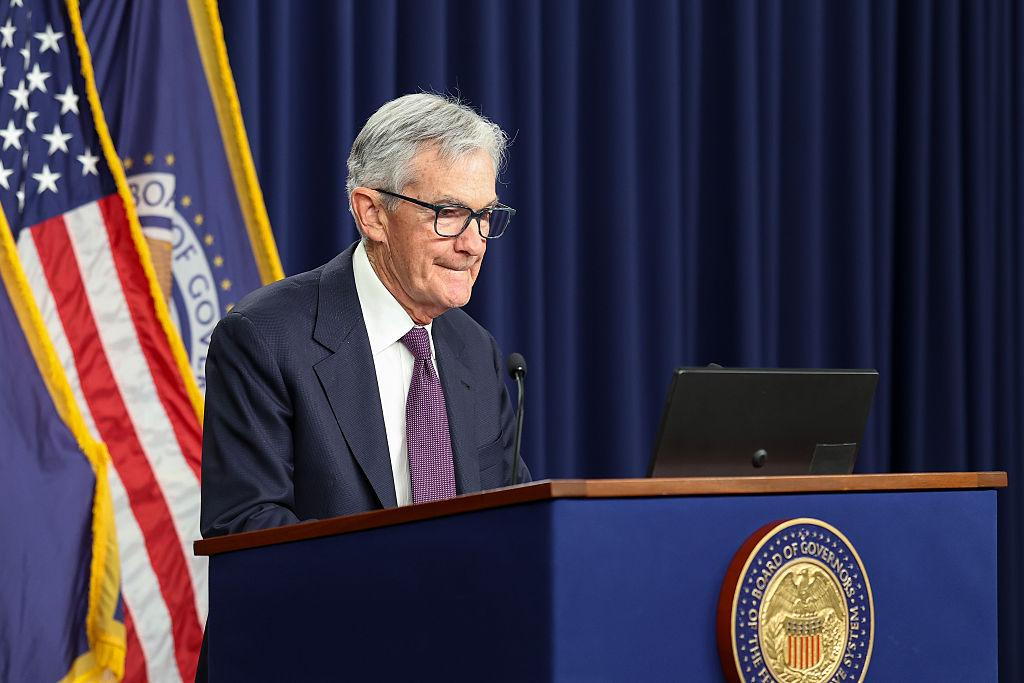
One of the most influential drivers of volatility in 2026 remains interest rate policy. After years of aggressive tightening earlier in the decade, the Federal Reserve has entered a more nuanced phase—balancing inflation control with economic stability.
Even small shifts in rate expectations now have outsized market effects.
Higher rates have:
- Reduced excess liquidity that once fueled asset price expansion
- Increased borrowing costs for corporations and consumers
- Shifted investor preference toward income-generating assets
At the same time, markets remain highly sensitive to forward guidance. A single statement about potential rate adjustments can ripple through equities, bonds, and currency markets within hours.
In practical terms, consider how treasury yields influence equity valuations. Growth stocks, particularly in tech, tend to react more sharply to rate changes due to their reliance on future earnings projections. This dynamic has led to increased sector rotation—another key driver of volatility.
Sector Rotation and the Repricing of Risk
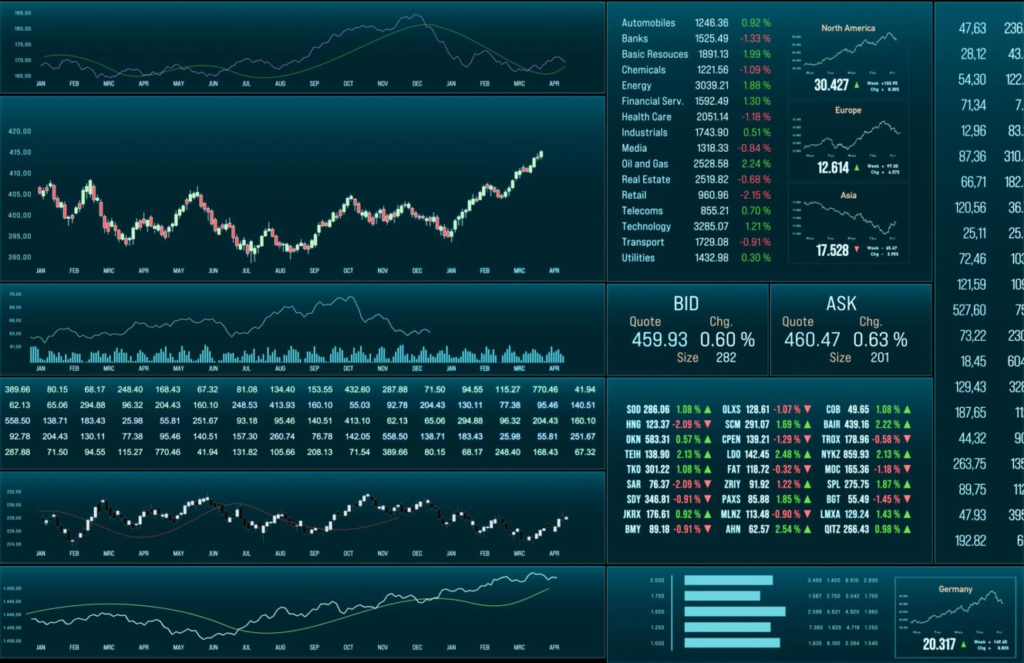
The past year has seen significant capital movement between sectors. Traditional leaders like big tech are still dominant, but capital flows have become more dynamic and less predictable.
Investors are reallocating based on:
- Earnings visibility and margin stability
- Sensitivity to interest rates
- Exposure to global supply chains
- Regulatory outlook
For example, energy and industrial sectors have experienced renewed interest due to infrastructure spending and geopolitical supply concerns. Meanwhile, certain segments of the technology sector face valuation scrutiny, especially where profitability remains distant.
This ongoing repricing of risk creates a market environment where leadership changes quickly—contributing to volatility that may feel erratic but is rooted in rational capital allocation.
The Growing Influence of Algorithmic and AI-Driven Trading
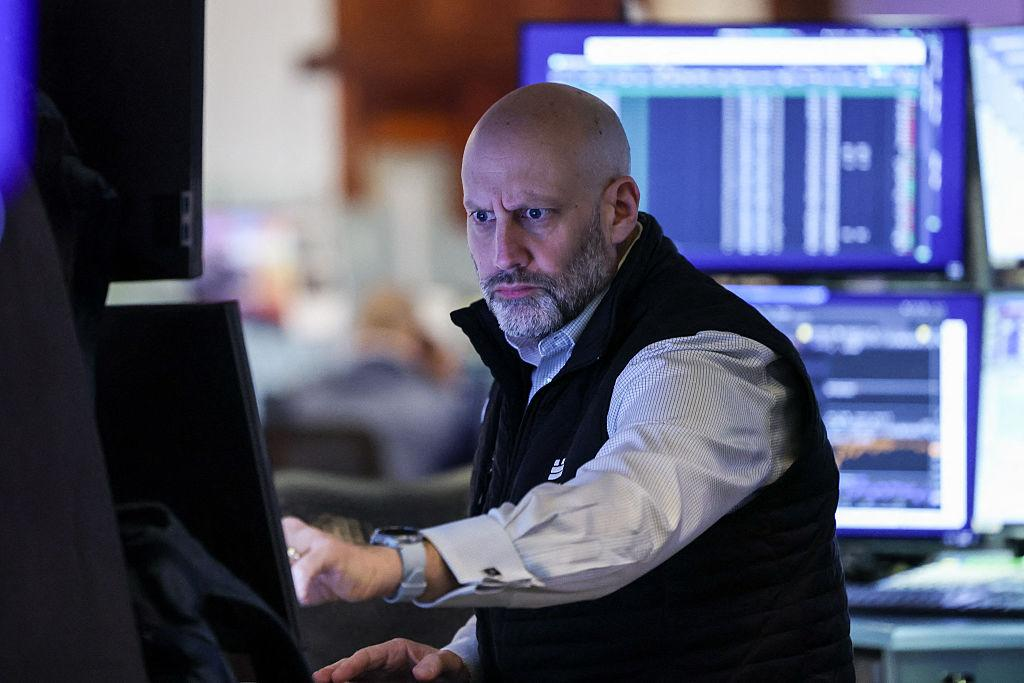
Another major force shaping volatility is the increasing dominance of algorithmic trading systems. By 2026, a significant portion of U.S. equity trades are executed by automated strategies, many enhanced by machine learning.
These systems react to:
- Real-time economic data
- News sentiment analysis
- Price momentum signals
- Cross-asset correlations
While this improves market efficiency, it also accelerates price movements. When multiple systems respond simultaneously to the same signal, it can amplify both upward and downward swings.
A practical example can be seen during earnings season. If a company slightly misses expectations, algorithmic models may trigger rapid sell-offs within seconds—often before human traders fully process the information.
This doesn’t necessarily reflect panic; it reflects speed and scale.
Geopolitical Realignment and Global Market Interdependence
Global events continue to play a central role in U.S. market volatility. However, in 2026, the nature of geopolitical influence has evolved.
Rather than isolated shocks, markets are responding to ongoing structural changes:
- Trade realignments between major economies
- Strategic decoupling in technology supply chains
- Energy market shifts influenced by regional conflicts
- Currency fluctuations tied to global capital flows
For instance, supply chain diversification away from single-region dependency has introduced both resilience and short-term inefficiencies. Companies are investing heavily in reshoring or nearshoring operations, which affects margins and earnings forecasts.
Investors are pricing in these transitions, often leading to periods of uncertainty before new equilibria are established.
Consumer Behavior and the Post-Pandemic Economy
Another underappreciated driver of volatility is changing consumer behavior. While the U.S. consumer remains a strong economic pillar, spending patterns have shifted significantly.
Key trends include:
- Increased preference for services over goods
- Greater price sensitivity in discretionary spending
- Rapid adoption of digital and subscription-based models
- Demand fluctuations tied to wage growth and inflation expectations
Retail earnings reports in 2026 often reflect this variability. A company may exceed expectations in one quarter and underperform in the next—not due to mismanagement, but due to evolving consumer priorities.
This variability contributes to market volatility, particularly in consumer-facing sectors.
The Data Cycle: Why Markets React So Quickly
Markets today are more data-driven than ever. Economic indicators such as CPI, employment reports, and GDP revisions are released frequently—and markets react instantly.
But it’s not just the data itself—it’s the interpretation.
For example:
- A strong jobs report may signal economic strength
- The same report may also imply delayed rate cuts
- Investors must quickly assess which narrative dominates
This dual interpretation often leads to short-term volatility, even when the underlying data is broadly positive.
What This Means for Investors and Professionals
Understanding these forces can help shift perspective from reactive to strategic. Volatility is not inherently negative—it often reflects adjustment, not instability.
Professionals navigating this environment should focus on:
- Long-term fundamentals rather than short-term price movements
- Diversification across sectors and asset classes
- Awareness of macroeconomic signals and policy trends
- Risk management strategies tailored to current conditions
For example, portfolio managers increasingly incorporate scenario analysis—evaluating how assets perform under different interest rate or geopolitical scenarios. This approach helps mitigate the impact of unexpected market swings.
Frequently Asked Questions
1. Why is market volatility higher in 2026 compared to previous years?
Volatility is driven by a combination of interest rate transitions, global economic shifts, and increased algorithmic trading activity.
2. Is market volatility a sign of an economic downturn?
Not necessarily. Volatility often reflects adjustment to new conditions rather than a decline in economic fundamentals.
3. How do interest rates influence market volatility?
Changes in rates affect borrowing costs, valuations, and investor behavior, leading to shifts across asset classes.
4. What role does AI play in market fluctuations?
AI-driven trading systems can amplify price movements by reacting instantly to data and market signals.
5. Are certain sectors more affected by volatility?
Yes. Technology, consumer discretionary, and growth-oriented sectors tend to be more sensitive to market changes.
6. How can individual investors manage volatility?
Through diversification, long-term planning, and avoiding reactionary decisions based on short-term movements.
7. Does geopolitical tension always lead to market declines?
Not always. Markets may initially react negatively, but outcomes depend on the broader economic impact.
8. Why do markets react strongly to economic reports?
Because they influence expectations around policy decisions, especially interest rates.
9. Is volatility expected to continue beyond 2026?
Given current structural changes, moderate volatility is likely to remain a feature of global markets.
10. What indicators should investors watch closely?
Interest rates, inflation data, corporate earnings, and global trade developments.
Interpreting Volatility in a Structural Market Shift
Rather than viewing volatility as noise, it may be more useful to see it as a signal—an indicator of a market adapting to new realities. In 2026, those realities include tighter monetary conditions, rapid technological advancement, and a redefined global economic order.
Professionals who contextualize volatility within these broader trends are better positioned to make informed decisions. The market is not simply reacting—it is recalibrating.
Key Insights at a Glance
- Market volatility in 2026 is driven by structural, not temporary, factors
- Interest rate policy remains a central influence across all asset classes
- Sector rotation reflects evolving risk and opportunity assessments
- AI-driven trading accelerates market reactions
- Global economic realignment continues to shape investor sentiment
- Consumer behavior shifts are influencing corporate performance
- Data interpretation plays a major role in short-term market movements