
For much of the past decade, market analysts relied heavily on familiar indicators such as inflation reports, Federal Reserve policy updates, and corporate earnings guidance to understand where financial markets were headed. But in 2026, a growing number of professionals are paying closer attention to subtler market signals that appear to be moving ahead of traditional indicators. From shifts in bond yields to changing consumer spending patterns, these early signals are reshaping how analysts evaluate risk, opportunity, and economic momentum.
The Growing Importance of Early Market Signals
Financial markets have always been driven by expectations as much as by present-day realities. Investors are constantly trying to price in future economic conditions before they become obvious in official data. What has changed recently is the speed at which smaller signals appear to be influencing broader market sentiment.
Analysts increasingly recognize that waiting for quarterly reports or government releases may place investors behind the curve. Instead, many are examining forward-looking indicators that historically offered subtle warnings before larger economic shifts occurred.
Several developments have contributed to this trend:
- Faster dissemination of economic information
- Real-time consumer spending data
- AI-assisted trading models
- Increased sensitivity to interest-rate expectations
- Global supply chain volatility
- Rapid institutional repositioning
These factors have shortened the reaction window for investors and increased the importance of identifying signals early.
Why Analysts Are Watching Bond Markets More Closely
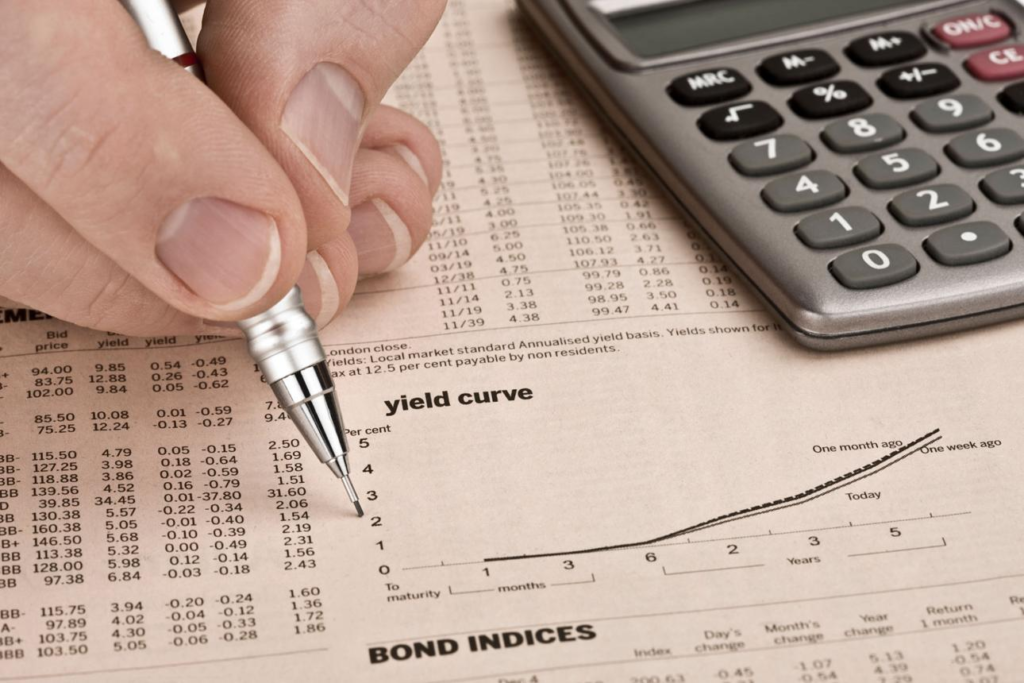
One of the clearest examples involves the bond market. Historically, Treasury yields have often moved ahead of broader equity markets during periods of economic transition.
When analysts notice unusual movement in long-term yields, it can suggest that institutional investors expect changes in inflation, growth, or Federal Reserve policy before those expectations appear elsewhere.
For example, during multiple periods between 2022 and 2025, Treasury yield inversions drew attention because they historically preceded economic slowdowns. According to data from the Federal Reserve Bank of New York, yield-curve inversions have been one of the more consistent recession indicators over several decades.
Today, analysts are not simply watching whether the yield curve inverts. They are also monitoring:
- The speed of yield movements
- Credit spread expansion
- Corporate bond demand
- Municipal bond inflows
- Treasury auction participation
A sudden change in any of these areas may reveal growing institutional caution long before equity markets react fully.
Consumer Spending Trends Are Becoming Real-Time Economic Indicators
Consumer behavior remains one of the largest drivers of the U.S. economy. However, analysts are no longer relying solely on monthly retail sales reports.
Instead, firms increasingly analyze real-time spending patterns using anonymized transaction data, travel bookings, restaurant reservations, and digital payment activity. These metrics can reveal subtle changes in consumer confidence weeks before official reports are released.
For example, a slowdown in discretionary purchases often appears first in categories such as:
- Luxury retail
- Travel upgrades
- Electronics
- Home furnishings
- Dining and entertainment
At the same time, increased spending on essentials may suggest households are becoming more defensive financially.
This shift became particularly noticeable during periods of elevated inflation when consumers adjusted spending habits gradually rather than abruptly. Analysts who tracked real-time behavior often identified these transitions earlier than those relying strictly on government reports.
Labor Market Signals Are Becoming More Nuanced
Employment data remains a cornerstone of market analysis, but professionals are increasingly focusing on secondary labor indicators rather than headline unemployment numbers alone.
Traditional labor reports can sometimes lag behind actual business conditions. As a result, analysts are now studying metrics such as:
- Temporary staffing demand
- Job posting reductions
- Corporate hiring freezes
- Wage growth moderation
- Declining overtime hours
- Reduced employee turnover
These smaller shifts can indicate weakening business confidence before layoffs begin appearing at scale.
For example, several technology and finance companies reduced hiring activity months before announcing broader cost-cutting measures between 2023 and 2025. Analysts who monitored recruiting activity detected caution earlier than quarterly earnings revealed.
Why Shipping and Freight Data Matter More Than Many Realize
Transportation activity often reflects broader economic momentum because goods movement tends to slow before consumers visibly reduce spending.
Freight companies, rail operators, and shipping firms provide a surprisingly valuable window into economic conditions. Analysts frequently monitor:
- Trucking volumes
- Container shipments
- Port congestion
- Rail freight demand
- Warehouse utilization rates
When shipping demand weakens unexpectedly, it can signal reduced manufacturing activity or softening consumer demand.
Conversely, rising freight costs may indicate supply chain strain or increasing demand pressure. During the post-pandemic recovery period, freight and shipping metrics became some of the earliest indicators of inflationary pressure across multiple sectors.
Corporate Earnings Calls Are Revealing More Than Headlines
Many investors focus only on earnings beats or misses. Professional analysts, however, spend considerable time examining executive commentary during earnings calls.
Subtle changes in language can reveal meaningful shifts in corporate expectations. Analysts increasingly track phrases related to:
- Inventory concerns
- Pricing pressure
- Customer demand softness
- Delayed purchasing decisions
- Margin compression
- Capital expenditure reductions
Some firms now use AI-based transcript analysis tools to identify sentiment changes across hundreds of earnings calls simultaneously.
For instance, if executives across multiple industries begin expressing caution about future demand despite stable current earnings, analysts may interpret that as an early warning sign for broader market weakness.

The Role of Artificial Intelligence in Detecting Market Signals
Artificial intelligence has significantly accelerated how market participants process information.
Large institutional firms now analyze enormous volumes of data in real time, including:
- News sentiment
- Social trends
- Commodity pricing
- Consumer reviews
- Satellite imagery
- Weather disruptions
- Supply chain activity
This does not mean AI predicts markets perfectly. However, it allows analysts to identify correlations and behavioral shifts much faster than traditional manual analysis methods.
For example, hedge funds increasingly use alternative data to estimate retail traffic, inventory levels, and production activity before companies publish earnings results.
This growing reliance on alternative data partly explains why certain market reactions now occur earlier than many retail investors expect.
Interest Rate Expectations Continue to Dominate Market Psychology
Even as inflation moderates compared to peak pandemic-era levels, interest-rate expectations remain one of the strongest drivers of market behavior.
Small changes in Federal Reserve language can trigger substantial market movements because investors attempt to anticipate future policy decisions months in advance.
Analysts now monitor:
- Fed governor speeches
- Futures market probabilities
- Short-duration Treasury yields
- Mortgage application trends
- Commercial lending activity
A key challenge is that markets often react not to current conditions, but to expectations about future changes.
For example, markets may rally during weak economic reports if investors believe softer data could lead to future rate cuts. This dynamic can sometimes confuse casual investors who expect markets to move strictly based on present conditions.
Housing Market Activity Is Providing Early Economic Clues
The housing market continues to serve as an important leading indicator because housing affects construction, lending, consumer spending, and household confidence simultaneously.
Analysts increasingly pay attention to:
- Mortgage application volume
- Homebuilder sentiment
- Existing home inventory
- Price reductions
- Rental vacancy rates
- Regional migration patterns
Housing data often reveals shifts in consumer affordability before broader spending changes become obvious.
In recent years, elevated mortgage rates significantly reduced transaction activity even while home prices remained relatively stable in some regions. Analysts who focused only on prices missed underlying demand weakness developing beneath the surface.
Why Market Volatility Itself Has Become a Signal
Periods of unusually low volatility can sometimes concern analysts as much as periods of high volatility.
When markets become overly complacent, investors may underestimate potential risks. Conversely, sudden volatility spikes can indicate institutional repositioning before major news becomes public.
Analysts often monitor:
- Options market positioning
- Volatility indexes
- Put-call ratios
- Sector rotation activity
- Liquidity conditions
Sharp changes in these areas can signal rising uncertainty even when headline indexes appear stable.
This became particularly relevant during periods when major indexes remained resilient despite weakening economic data underneath the surface.

What Everyday Investors Can Learn From These Trends
Most individual investors do not need institutional-grade data systems to benefit from understanding market signals. However, recognizing how professionals interpret early indicators can improve long-term decision-making.
Several practical lessons stand out:
Avoid Relying on a Single Indicator
No single metric consistently predicts market direction. Analysts typically evaluate multiple signals together before drawing conclusions.
Pay Attention to Behavioral Shifts
Consumer behavior, hiring activity, and corporate commentary often provide earlier clues than official economic releases.
Understand That Markets Are Forward-Looking
Markets frequently move before economic conditions become obvious in headlines.
Focus on Long-Term Positioning
Short-term market reactions can be noisy. Sustainable investing strategies still depend on diversification, risk management, and long-term discipline.
Recognize the Influence of Expectations
Investor psychology and expectations can drive significant price movements even when current data appears mixed.
Why Early Signals Matter More in Today’s Market Environment
Modern financial markets operate at extraordinary speed. Institutional investors process information globally within seconds, making subtle signals increasingly important.
This does not mean every unusual data point predicts a major market shift. False signals remain common. However, analysts are recognizing that smaller indicators often deserve more attention than they once received.
Several structural changes support this trend:
- Higher market sensitivity to interest rates
- Faster information distribution
- Increased algorithmic trading
- Greater global economic interconnectedness
- Rapid institutional portfolio adjustments
Together, these forces create an environment where markets may react earlier and more aggressively than in previous decades.
Reading the Market Beyond the Headlines
Many market headlines focus on dramatic daily movements, but professional analysis often happens beneath the surface. The signals attracting attention today are not necessarily flashy or sensational. In many cases, they involve subtle shifts in behavior, sentiment, or expectations that gradually build into larger economic narratives.
For investors, business owners, and financial observers alike, understanding these signals can provide valuable context during uncertain periods. Markets rarely move based on a single factor alone. Instead, they reflect the collective interpretation of thousands of evolving signals occurring simultaneously across the economy.
The challenge is not simply finding data. It is learning which data may matter before everyone else recognizes its significance.
Signals Worth Watching in the Months Ahead
- Treasury yield behavior
- Corporate credit conditions
- Consumer discretionary spending
- Housing affordability trends
- Hiring slowdown indicators
- Freight and logistics activity
- Earnings-call sentiment changes
- Federal Reserve communication patterns
- Volatility market positioning
- Regional economic divergence
Frequently Asked Questions
What are market signals in investing?
Market signals are indicators or patterns that analysts use to assess future economic or market conditions. These may include bond yields, consumer spending trends, employment data, and corporate earnings commentary.
Why are analysts focusing on early indicators now?
Markets react faster than in previous decades due to technology, AI-assisted trading, and real-time data access. Analysts want to identify changes before they become widely reflected in official reports.
Does a yield-curve inversion always predict a recession?
Not always, but historically it has been one of the more reliable warning signs of economic slowdowns in the United States.
Why does consumer spending matter so much?
Consumer spending represents a large portion of U.S. economic activity. Changes in spending behavior can affect corporate earnings, employment, and overall economic growth.
How do analysts use earnings calls?
Analysts study executive language, guidance changes, and sentiment during earnings calls to identify early signs of business optimism or caution.
What role does AI play in market analysis?
AI helps institutions process large amounts of data quickly, identify patterns, and detect subtle market shifts that might otherwise be overlooked.
Are stock markets always tied directly to the economy?
Not necessarily. Markets often react to expectations about future conditions rather than current economic realities.
Why is housing considered a leading indicator?
Housing influences lending, construction, consumer confidence, and spending activity, making it closely connected to broader economic conditions.
Can individual investors use these signals effectively?
Yes, although most retail investors benefit more from understanding broader trends rather than attempting to trade short-term market movements.
What is the biggest mistake investors make during uncertain markets?
Many investors overreact to short-term headlines instead of focusing on diversified, long-term strategies.